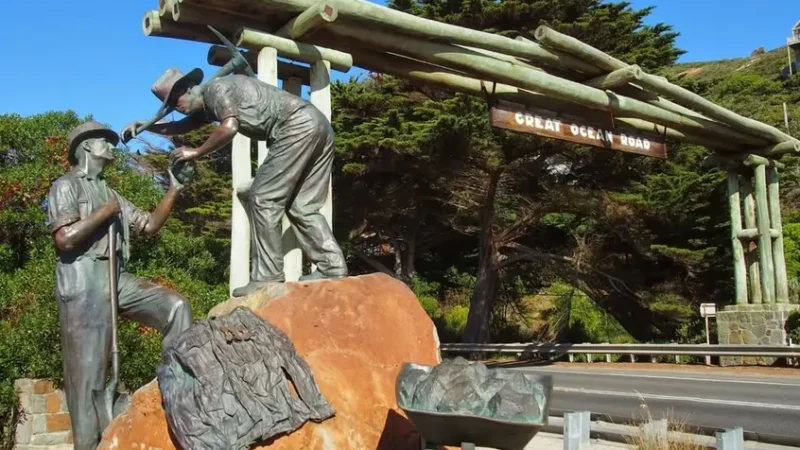
How To Avoid The Busiest Sections Of The Great Ocean Road? This is the question I always get from folks planning their first drive along this road, and it usually comes hot on the heels of them seeing a picture of the Twelve Apostles packed to the gills at midday. The thing is, the Great Ocean Road isn’t a chaotic nightmare from start to finish. It’s busy in very specific spots, at very particular times, and once you get the hang of the patterns, the whole thing becomes much more enjoyable.
I’ve been driving this bit of the Victorian coastline more times than I can actually count – there have been early morning cruises with the thermos balanced precariously on the dash, late afternoons where I was racing the light, and more than a few long weekends were spent stuck behind campervans with a wry grin under my breath. But if you plan it right, this is still one of the best coastal drives in Australia – it can feel like a real traffic nightmare if you don’t.
A Reality Check Before You Set Off
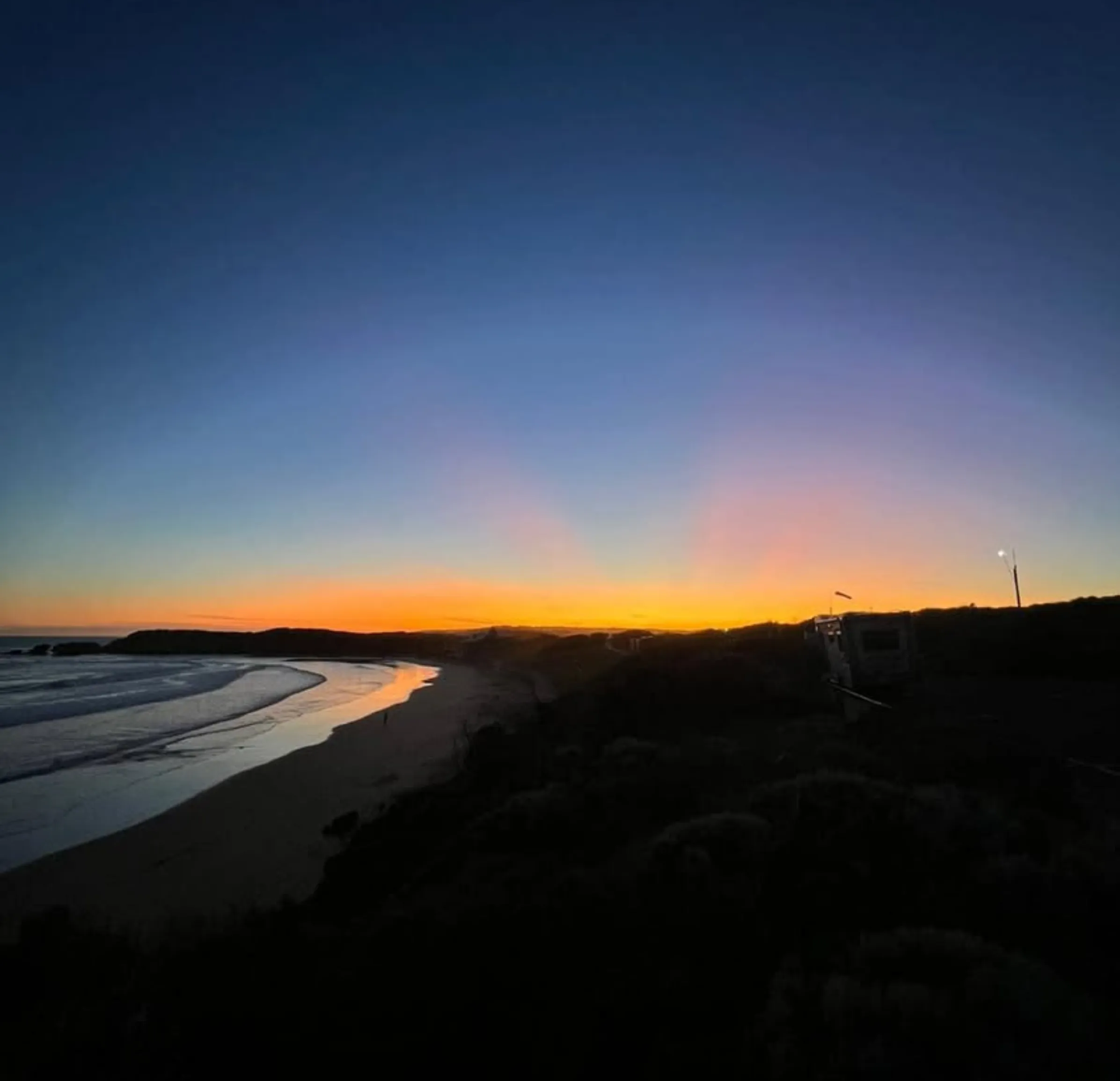
The thing is, most of the congestion on the Great Ocean Road comes down to just three things: how close you are to Melbourne, whether you’re visiting a famous spot, and just how darn little parking there is. The closer you are to the city, the more famous the spot you’re visiting, the more congested the roads get.
People tend to get caught out by timing, though. Day-trippers tend to arrive late in the morning, Melbourne tour buses follow fixed routes, and everyone wants to eat lunch at the same time. Once you know where all those hotspots are, avoiding them is more about being sensible than just plain lucky.
Torquay to Aireys Inlet

The first bit of the drive, from Torquay past Bells Beach, Point Impossible Beach and all the way on towards Aireys Inlet, is one of the most reliably busy stretches – and it’s just because it’s close to Melbourne, it’s popular with surfers, and it narrows down in places where you can’t actually overtake.
Traffic piles on hard on weekends, public holidays, and during surfing competitions like the Rip Curl Pro, when the whole Rip Curl crew descends and makes the roads even more packed. And don’t forget the cyclists, learner drivers, and people who just pull over at the side of the road to take a snap – it all adds up to a grindingly slow experience.
My advice is to sort out your timing early. Either leave before 7 am or don’t rush it. Staying the night near Aireys Inlet and just taking things easy is a huge stress reliever – and some folk just chuck it in & join a guided tour instead of battling the traffic on their own.
Lorne and Teddy’s Lookout: A Bottleneck With A View
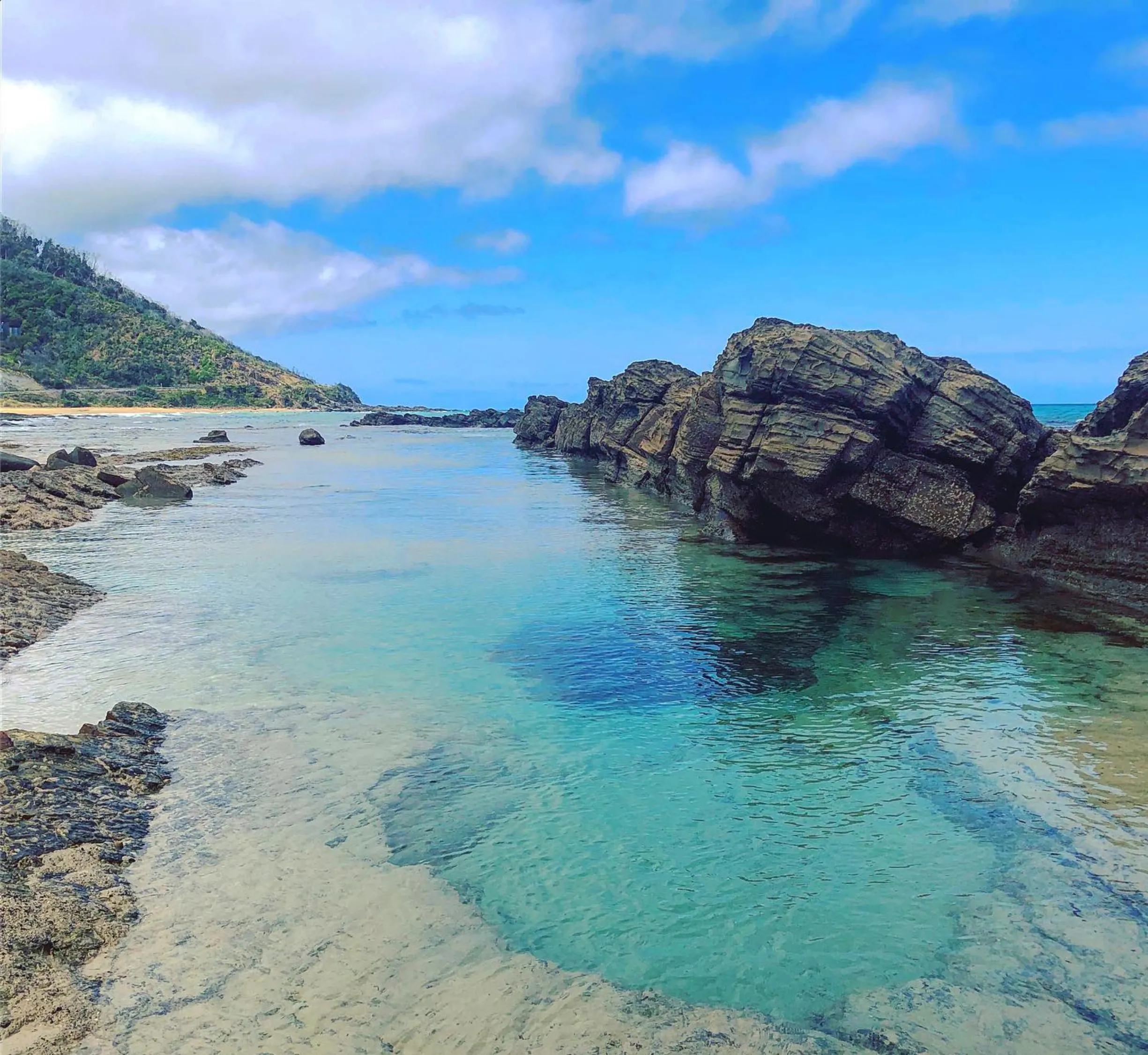
Lorne is a really pretty place, but the town layout clearly indicates congestion. From late morning to mid-afternoon, you’ll find yourself stuck in a slow crawl, mainly because there’s just one main road, loads of foot traffic, and not enough parking.
And to make things worse, when the buses roll in, it’s a whole new level of chaos.
Teddy’s Lookout, sitting up above the town, doesn’t help the situation either. Cars will be queuing up, people will be lingering, and it will take an age to get anywhere, let alone turn over.
The only real solution is to time your visit. Hit it early, hit it late, or stay the night, and Lorne after dark is a completely different proposition. It’s calm, it’s coastal, and it’s a whole lot more enjoyable than the midday chaos.
Kennett River and Wye River: A Wild Ride
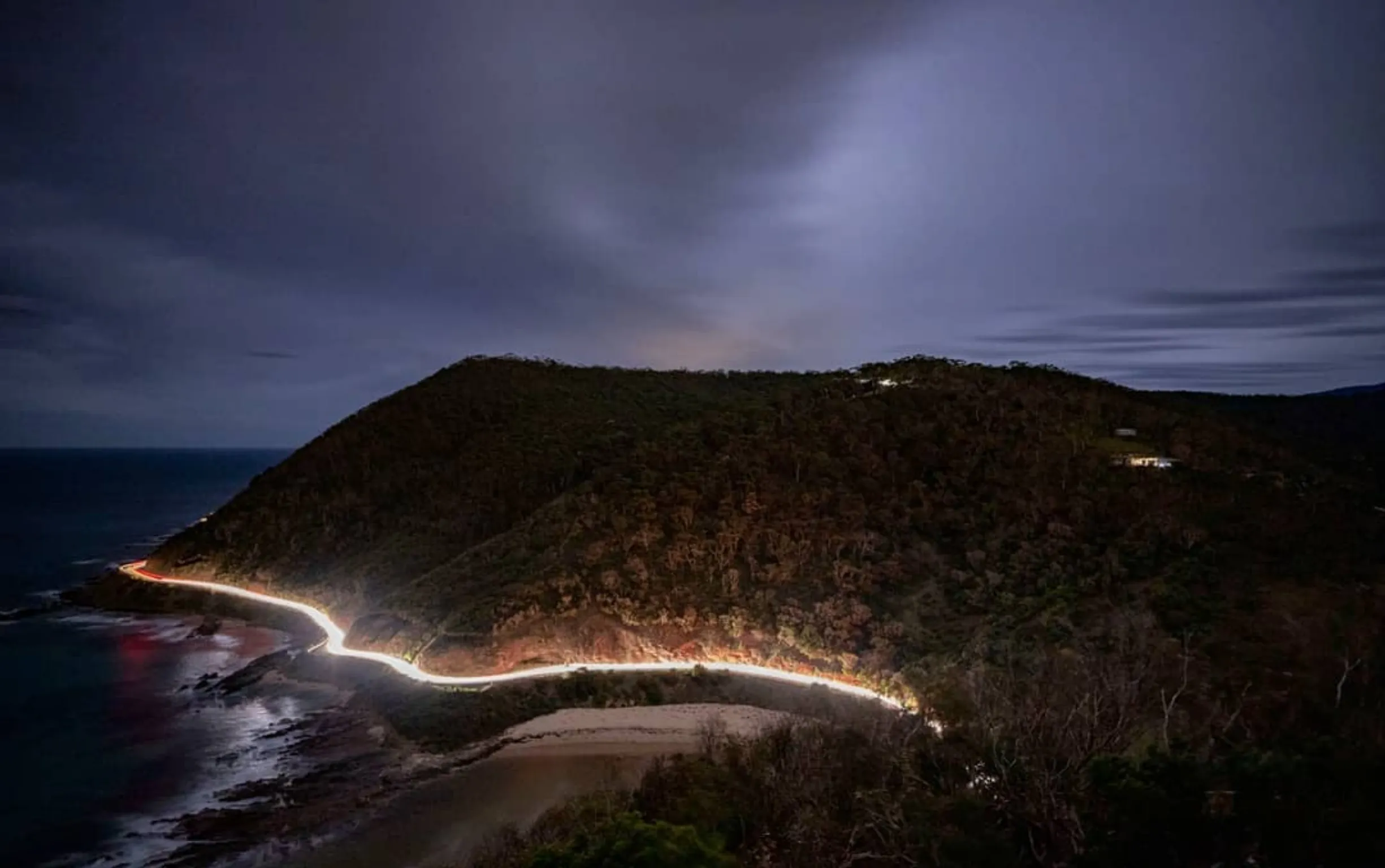
All the crowds descending on Kennett River and Wye River are there for one reason – they’re hoping to catch a glimpse of the local koalas. Unfortunately, where there are wild animals, there are bound to be some unpredictable stops.
Cars will be screeching to a halt, people will be hopping out of the car without warning, and it’s enough to give even the most seasoned driver a headache.
Traffic here won’t come to a complete halt, but it will require some patience. Expect sudden braking, slow movement, and plenty of rubbernecking. And remember – this is a shared road, not a zoo.
Apollo Bay: The Lunchtime Traffic Trap
Apollo Bay is a natural hub for people along this route. It’s where travellers stock up on supplies, fill up on petrol, and grab a bite to eat – all of which collide between 12 and 1:30 pm.
If you can avoid it, head in before 11:30 am or after 1:30 pm. If not, be ready for full car parks, queues at petrol stations, and frayed tempers.
Experienced operators like Wildlife Tours in Australia plan their stops around this rush, which is exactly why guided travel can be far less stressful for first-time visitors.
Otway National Park and Cape Otway
Heading inland towards the Great Otway National Park, the crowds thin out fast. Detours to Erskine Falls, Otway Fly, Lavers Hill, and Cape Otway pull you away from the coastal congestion.
The trade-off is narrow roads, damp surfaces after rain, and patchy reception – but at least you’re not fighting for parking.
This is one of the most rewarding sections of the trip. Slow down, pick one or two stops, and enjoy them properly instead of racing through.
Johanna Beaches & Inland Routes
Johanna Beaches are a world away from the main tourist trail. Even in peak season, traffic stays relatively light.
The inland route via Lavers Hill can also be quicker than hugging the coast, especially when the Shipwreck Coast lookouts are crowded.
Two-day Great Ocean Road tours really highlight this contrast – step away from the hotspots and the whole drive feels calmer.
The Twelve Apostles And Gibson Steps
This is the epicentre of the chaos. Between 10 am and 4 pm, the Twelve Apostles are swamped with buses, packed car parks, and constant foot traffic.
If you want to enjoy it, arrive before 8 am or after 6:30 pm. Better light, fewer people, and a far better experience.
Gibson Steps helps absorb the crowds and rewards those willing to put in the extra effort beyond the first viewing platform.
Loch Ard Gorge, London Bridge And The Grotto
Loch Ard Gorge, London Bridge, The Grotto, and The Arch are all heavily affected by spillover crowds from the Apostles.
Car parks fill fast, and most visitors cluster at the first lookout. Picking just one stop – and visiting early or late – makes a massive difference.
Port Campbell To Princetown: When The Road Gets Clogged
This stretch along the Shipwreck Coast often slows when multiple tour buses rotate through the lookouts.
It’s not full gridlock, but patience is essential. Give buses space, avoid tailgating, and let the traffic flow.
Beyond The Tourist Hub: Bay Of Martyrs To Port Fairy
Once you pass the Shipwreck Coast cluster and head towards Bay of Martyrs, Childers Cove and Port Fairy, the road opens right up.
Traffic drops, stress fades, and the drive becomes far more relaxed. Many travellers rush this section, but it’s one of the quietest and most enjoyable parts of the journey.
When And Where Crowds Peak
| Section | Typical Peak Window | Crowd Level | Smarter Timing |
|---|---|---|---|
| Surf Coast (Bells Beach) | 9 am–12 pm | Very High | Early morning |
| Lorne | 11 am–2 pm | High | Eat early or late |
| Apollo Bay | 12 pm–1:30 pm | Medium | Picnic nearby |
| Otway National Park | 10 am–3 pm | Medium | Fewer stops |
| The Twelve Apostles | 10 am–4 pm | Extreme | Sunrise or sunset |
These patterns align well with visitation data from Tourism Research Australia and Parks Victoria‘s observations at the site, and they are consistent from year to year.
Practical Trip Planning That Actually Makes A Difference

Kicking off early in the day solves far more problems than trying to find shortcuts. Get yourself a map of the Otways before you even hit the road. Know where the petrol stations are so you can plan your fuel stops. Pack some food, so you’re not forced to stop in the middle of peak hour in some of the towns. And most importantly, allow for at least one overnight stop somewhere along the way.
For people who really don’t want to spend their time fiddling with timing and parking and navigation, companies like Wildlife Tours Australia can take a lot of that hassle off your hands. I’ve seen heaps of visitors just really enjoy their time on the road once someone else handles all the logistics – especially on a 2 day Great Ocean Road tour that they’ve got a plan for.
Respecting Country Along The Way
This coastline runs right through Gadubanud Country, and numerous areas of cultural significance lie along the Shipwreck Coast. Follow the signs, stay on the marked paths, and respect any closed areas. You’re driving through people’s Country, not just looking at some scenery.
Final Word: Timing Is Everything
The Great Ocean Road isn’t actually ruined by crowds – it’s just undone by bad timing. Identify where congestion tends to build up, and avoid driving through peak periods. Then you’ll see why this drive still gets all the accolades.
Whether you’re self-driving with a solid plan or getting in with an operator like Wildlife Tours Australia, who knows what they’re doing, the goal’s the same: travel in a smart way, slow down when it matters, and let the road be on your side – not working against you.
— Paul Beames
FAQ
What’s the busiest part of the Great Ocean Road?
The Twelve Apostles area is pretty packed any time from late morning through to mid-afternoon.
Is Apollo Bay always congested?
No, it’s not – traffic peaks around lunchtime, then just sort of dies down a bit after that.
Can I avoid crowds without leaving at dawn?
You might be able to do it, but an overnight stop earns you the biggest advantage.
Are there any quieter alternatives to Apostles Lookouts?
Gibson Steps, Bay of Martyrs, or catching the sunset are all way calmer.
Is a guided tour worth it?
For first-timers or people heading out in peak season, a 2-day Great Ocean Road tour can be a real lifesaver – it reduces the stress levels big time.