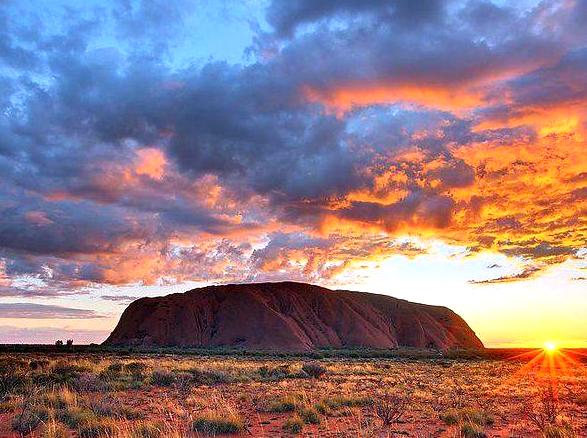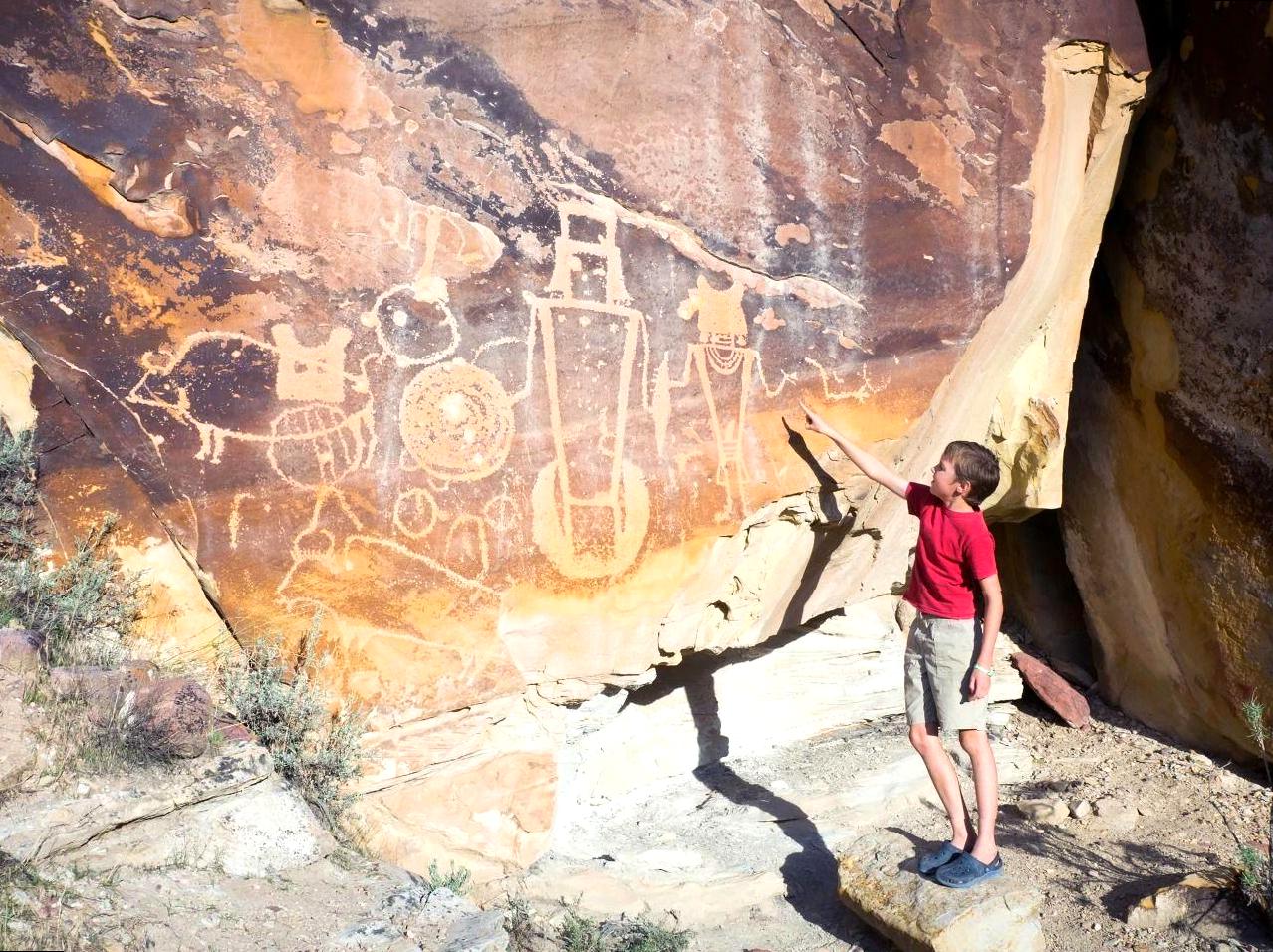
Katherine is a special place in the cultural and demographic landscape of Australia. As the gateway to the Top End, Katherine has a rich and diverse Indigenous population that is central to the town’s identity and heritage. As one of the regional centres of the NT, Katherine reflects the living culture of its Indigenous people through community services, public housing and traditional lands.
The town talks to you directly. Many visitors arrive via Katherine tours from Darwin, a great way to see the region’s natural wonders and Indigenous heritage. These tours are the perfect starting point to understand the deep cultural connections and ancestral lands of the area. Several operators offer immersive experiences as part of these tours, including guided walks, visits to Aboriginal-owned galleries and insights into traditional bush medicine.
Aboriginal Population
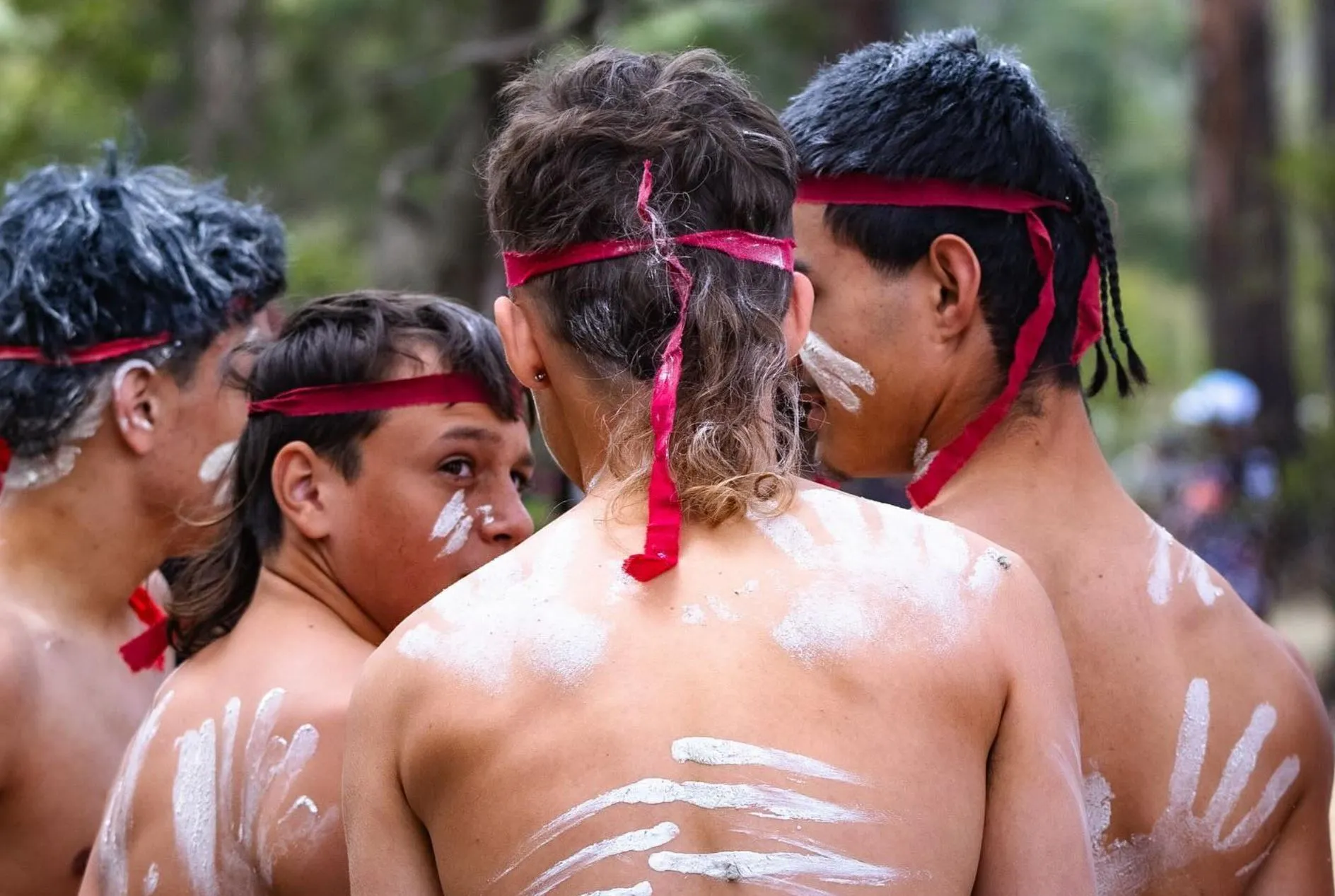
According to the 2021 ABS Census, 4,130 people living in the Katherine municipality identify as Aboriginal and/or Torres Strait Islander. That’s around 47% of the total population of the region, the highest proportion of Indigenous people in any Australian town or city. This big mob makes for a vibrant cultural presence in the town.
Katherine is surrounded by remote communities where Aboriginal people live on their traditional lands, maintaining spiritual and cultural ties to the country. These are permanent and seasonal camps that change with the weather and ceremonial cycles. During the wet season, mobility is harder and more people live in Katherine. The dry season makes travel to homelands easier and more people live in town camps or public housing.
This seasonal movement affects the status of people in terms of access to resources and services. The shifting population impacts local infrastructure and creates a need for adaptable community services. The community cluster model is used to describe how community services, public housing initiatives and connections to traditional lands.
The town is a cultural, logistical and social hub for many Aboriginal communities in the surrounding remote areas. These communities are spread across the Northern Territory landscape and rely on Katherine for access to education, health care and housing support. Katherine’s significance isn’t just about its geographic location but also about bringing people from different tribal backgrounds together for social, economic and cultural purposes.
Cultural Significance
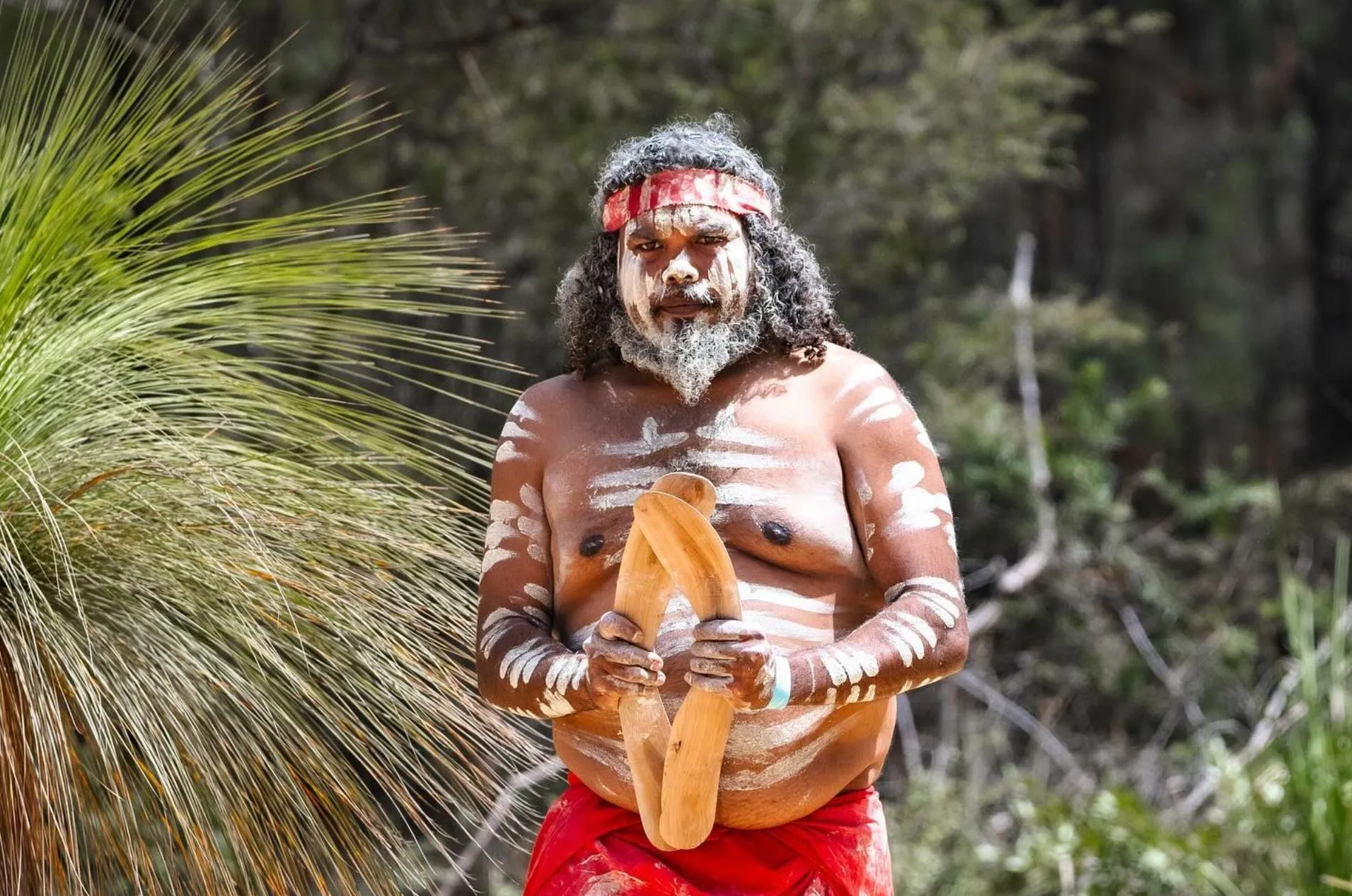
Katherine is not just a town but a hub for Indigenous art, storytelling, language and cultural tourism. Visitors can experience authentic cultural tours, learn about traditional ways and engage with local Aboriginal owned businesses that share their culture with pride. Local arts centres showcase the talents and stories of community members, national parks provide a backdrop to explore cultural issues and environmental connections.
The town is also home to many community driven projects that preserve languages and intergenerational knowledge sharing. These projects often focus on recording oral histories, documenting ancestral lands and educating younger generations about their heritage. Elders play a key role in guiding cultural programs that keep Aboriginal culture alive in modern times.
For those planning tours from Darwin to Katherine Gorge there is an opportunity not only to see amazing landscapes but to engage with local Aboriginal culture through storytelling, bush tucker experiences and traditional art demonstrations. These curated tours often visit significant cultural sites and provide space for respectful conversation between visitors and community members.
Aboriginal communities in Katherine are also affected by contemporary health issues many of which are caused by social determinants like housing, education and employment. Public housing shortages, overcrowding in town camps and limited access to health services in remote areas continue to challenge efforts to improve the lives of Indigenous people. The CEO of several Aboriginal organisations in the region has called for more funding and policy change to address these structural issues.
Why This Matters for Travellers
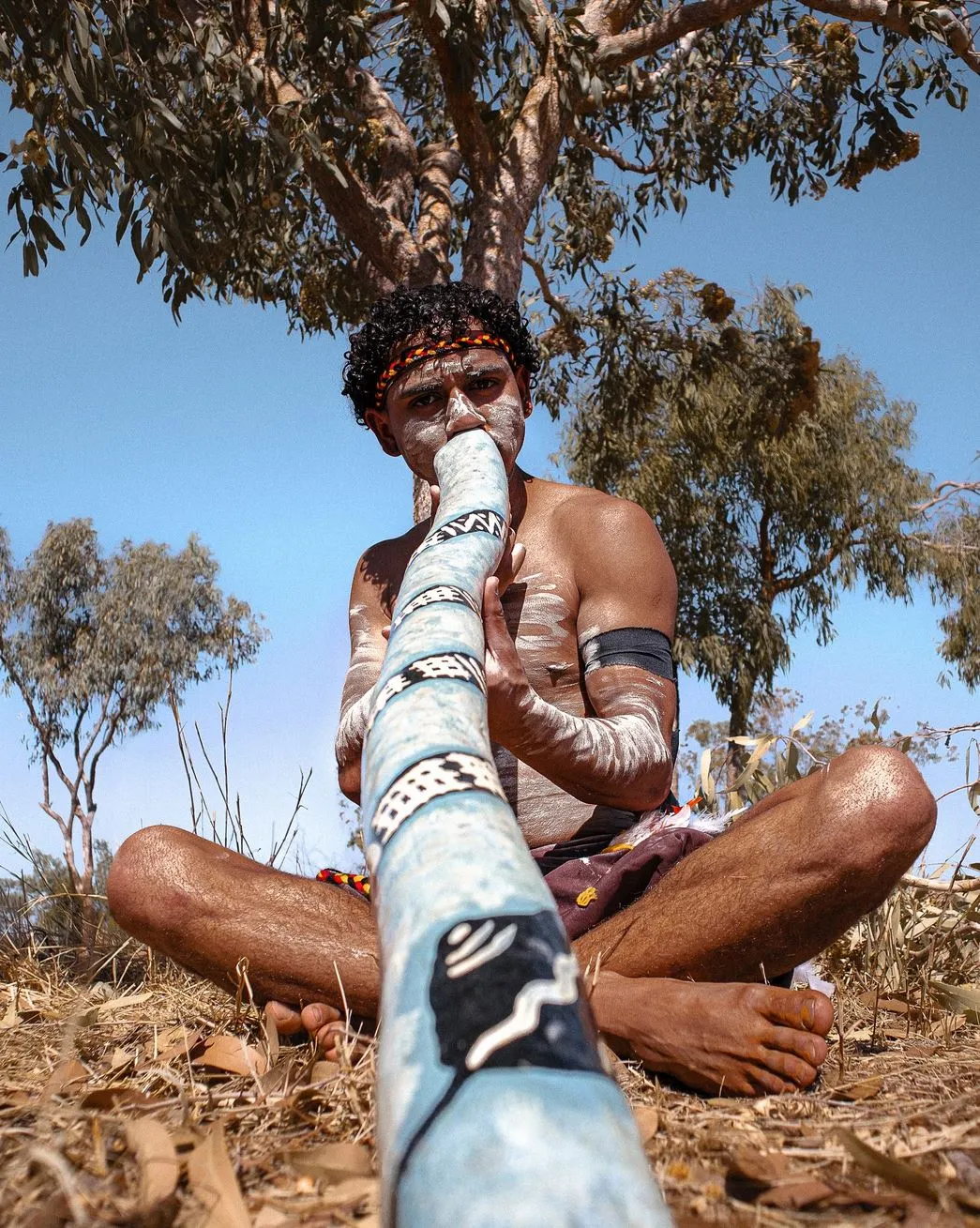
Understanding the demographics of Katherine allows travellers to appreciate the town beyond its natural beauty. It encourages respectful engagement with local communities and supports more meaningful and responsible tourism. Whether you’re visiting Nitmiluk National Park, exploring art galleries, or attending local festivals, acknowledging and celebrating Aboriginal culture enhances the travel experience. This awareness also helps travellers understand broader cultural and health issues that Indigenous Australians face, especially in community cluster areas.
The contrast between coastal regions, west coast settlements, and eastern island communities highlights the diversity of Aboriginal lifestyles and traditions. Katherine offers a unique browser window into this cultural richness—a space where one can shift from light-mode tourism to a deeper understanding of the land and its people. For travellers and researchers alike, Katherine provides insights into the resilience and adaptability of Indigenous cultures across the Top End.
Promoting cultural awareness helps elevate the status of people within Aboriginal communities. It encourages tourism that respects traditional lands and supports economic development through ethical experiences. Housing in homelands, art centres, and seasonal festivals all contribute to a thriving ecosystem where living culture is continuously expressed and preserved.
Future Outlook
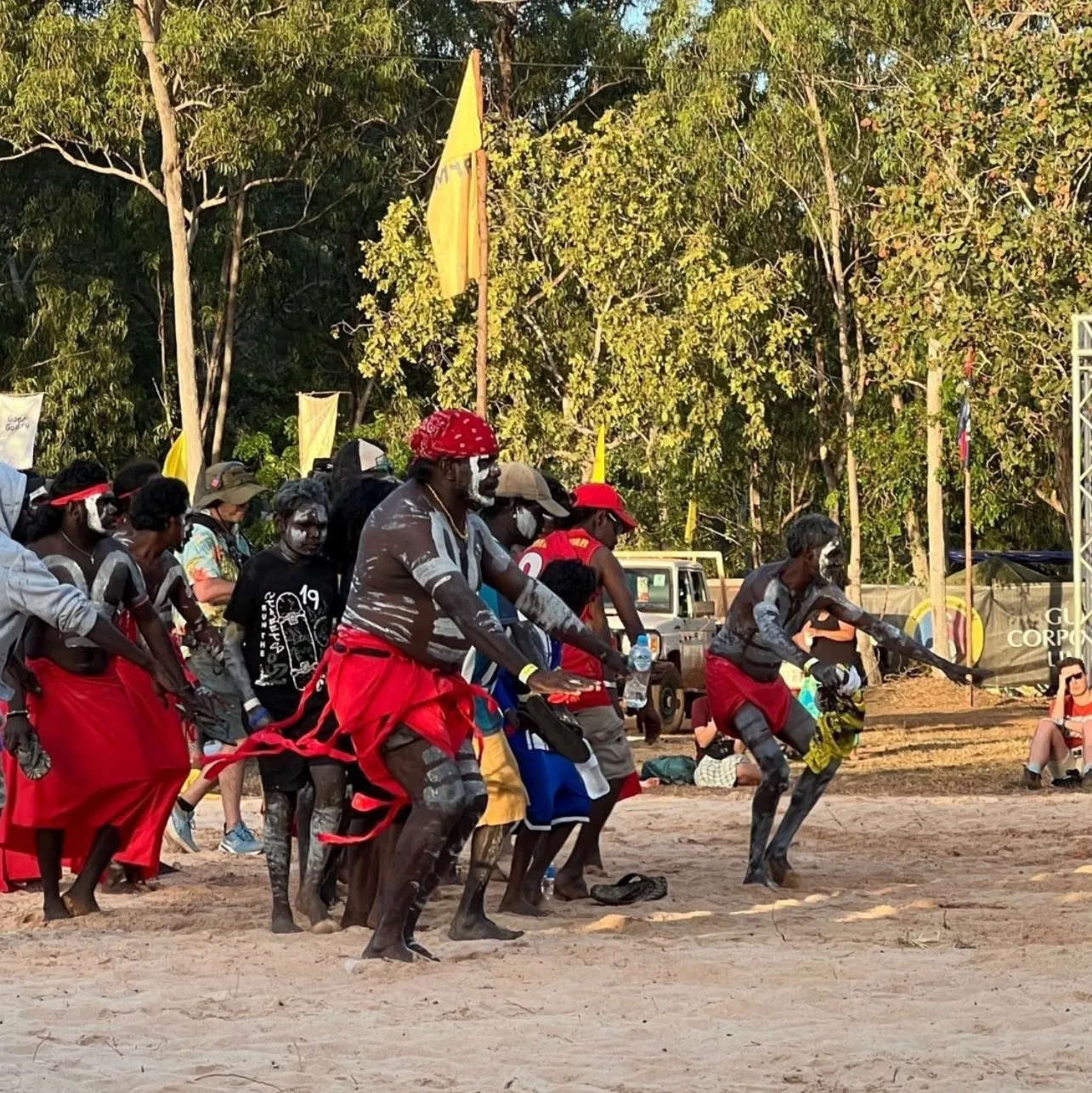
With a growing focus on reconciliation and Indigenous empowerment, the role of towns like Katherine is becoming even more crucial. Community-led initiatives are expanding, aiming to address housing shortages, preserve language, and improve access to health services. These efforts are increasingly supported by local councils and advocacy from Indigenous leadership. The next census may show an increase in people returning to homelands as infrastructure improves or a decrease in people in town centres if services in remote areas become more self-sufficient.
Understanding these population shifts and supporting community efforts will be essential to improving the status of people across the Northern Territory. As Katherine continues to evolve, its importance as a cultural and service centre will likely grow, providing both residents and visitors with opportunities to learn, connect, and contribute. For anyone seeking to gain a deeper understanding of this transformation, Katherine’s tours from Darwin remain an insightful and accessible way to begin that journey.
FAQ
Who are the traditional owners of Katherine, NT?
The traditional owners are the Jawoyn people, whose land is Katherine.
What percentage of Katherine’s population is Indigenous?
About 47% of the population is Aboriginal and/or Torres Strait Islander.
How can I respectfully engage with Aboriginal culture in Katherine?
Join guided cultural tours, visit Indigenous owned galleries, arts centres, festivals and events.
Are there Aboriginal communities near Katherine?
Yes, there are several Aboriginal communities, outstations and town camps in and around Katherine, including those on traditional lands and homelands.
Why is Katherine important to Aboriginal Australians?
Katherine is culturally, historically and spiritually significant. It is a hub for language, tradition, Indigenous arts and community services addressing cultural and health issues. As the CEO of several local Indigenous organisations says, it’s also a place to lift people up and support during times of change.